About KPM SFRA
Sweep Frequency Response Analysis Test or in short SFRA Test can detect efficiently, displacement of transformer core, deformation and displacement of winding, faulty core grounds, collapse of partial winding, broken or loosen clamp connections, short circuited turns, open winding conditions etc.
How SFRA works?
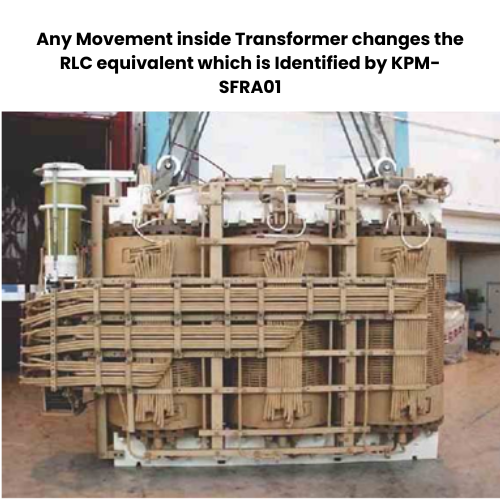
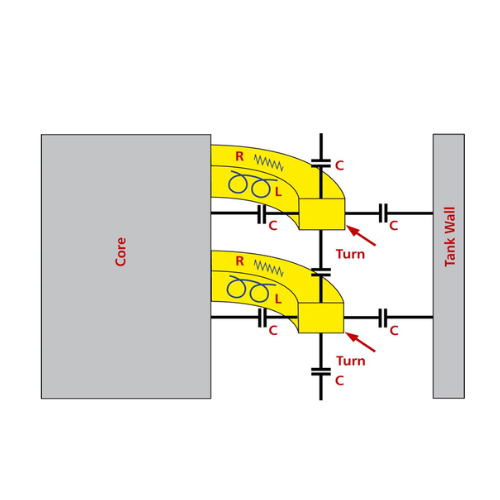
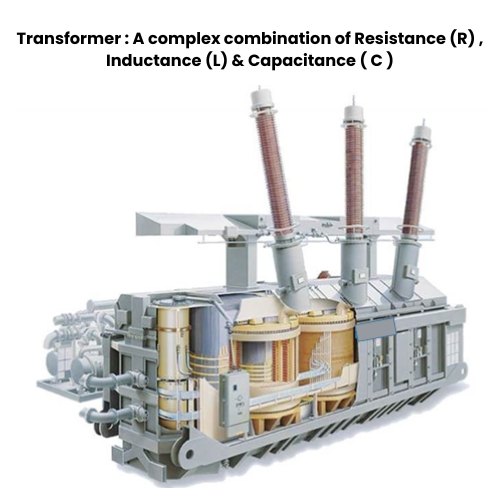
Transformers consist of multiple complex networks of capacitances and resistors that can generate a unique signature when tested at discreet frequencies and plotted as a curve. The distance between conductors of the transformer forms a capacitance. Any movement of the conductors or windings will change this capacitance. This capacitance being a part of complex L (inductance), R (Resistance) and C (Capacitance) network, any change in this capacitance will be reflected in the curve or signature.
An initial SFRA test is carried out to obtain the signature of the transformer frequency response by injecting various discreet frequencies. This reference is then used for future comparisons.
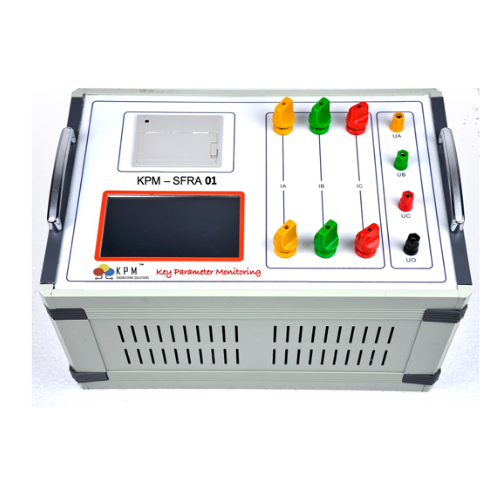
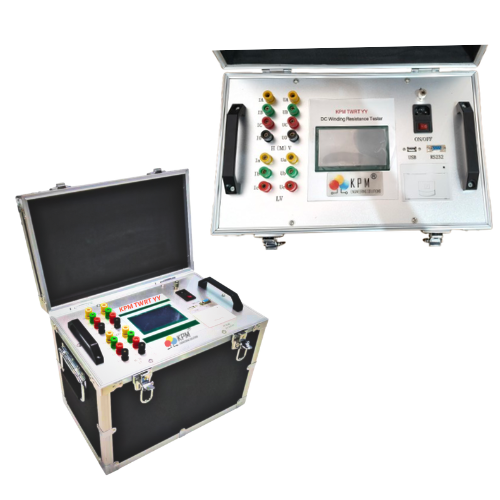
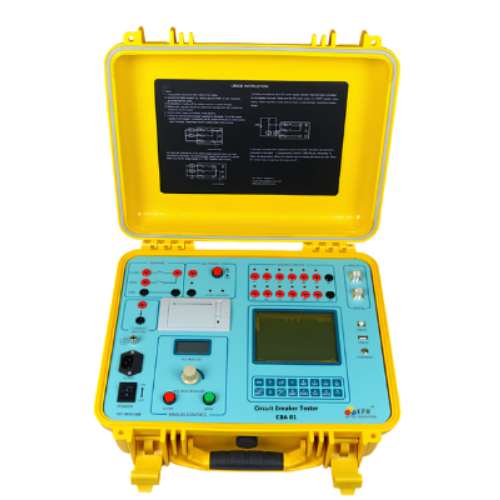
Large Color Touchscreen DisplayWith its expansive, intuitive touchscreen, the KPM SFRA empowers users to operate the device effortlessly. Graphical data is rendered with clarity, aiding in accurate interpretation and efficient workflow-making diagnostics more streamlined.
Advanced Data Management & ConnectivityData can be stored internally and easily exported via USB or Ethernet to a Windows PC application, ensuring compatibility with modern software infrastructure. The analyzer also features a built-in thermal printer for immediate results, further simplifying the analysis process.
High Accuracy & Robust ProtectionEngineered for precision, the KPM SFRA delivers measurements with 0.2 dB accuracy across a broad frequency range of 0.01-25 MHz. The system is safeguarded with overvoltage and current protection, backed by shock and vibration-resistant design for dependable operation.
FAQ's of KPM SFRA:
Q: How does the KPM SFRA enhance transformer winding diagnostics?
A: The KPM SFRA enables thorough analysis of transformer winding conditions using sweep frequency response. Its high accuracy, wide frequency range, and graphical display help identify mechanical faults or deformation in windings quickly and reliably.
Q: What types of connections and data transfer options are available with this analyzer?
A: The device supports USB and Ethernet connectivity, allowing easy integration with PCs for data export and further analysis. Internal memory provides ample storage for results, which can be directly printed via the built-in thermal printer.
Q: When should I use the KPM SFRA for transformer testing?
A: It is recommended to use the KPM SFRA during transformer commissioning, routine maintenance, or troubleshooting to detect any potential mechanical changes or faults in the windings as early as possible.
Q: Where can the KPM SFRA be effectively used?
A: With its portable and rugged design, the KPM SFRA is suitable for substations, manufacturing plants, and field sites, ensuring reliable operation even in demanding environments due to its shock and vibration-resistant enclosure.
Q: What is the process for exporting and analyzing test data?
A: After conducting tests, you can save data in the device's internal memory, export it via USB or Ethernet, and utilize the included Windows PC application for advanced analysis and reporting.
Q: How does the built-in protection system benefit users during operation?
A: The analyzer features overvoltage and current protection, ensuring user safety and safeguarding the instrument against accidental surges or misuse during testing procedures.
Q: What accessories are supplied with the KPM SFRA?
A: Each unit comes with a carrying case, test leads, software CD, and instruction manual, providing everything required for immediate setup, operation, and data analysis.









 Send Inquiry